Flag burning in history
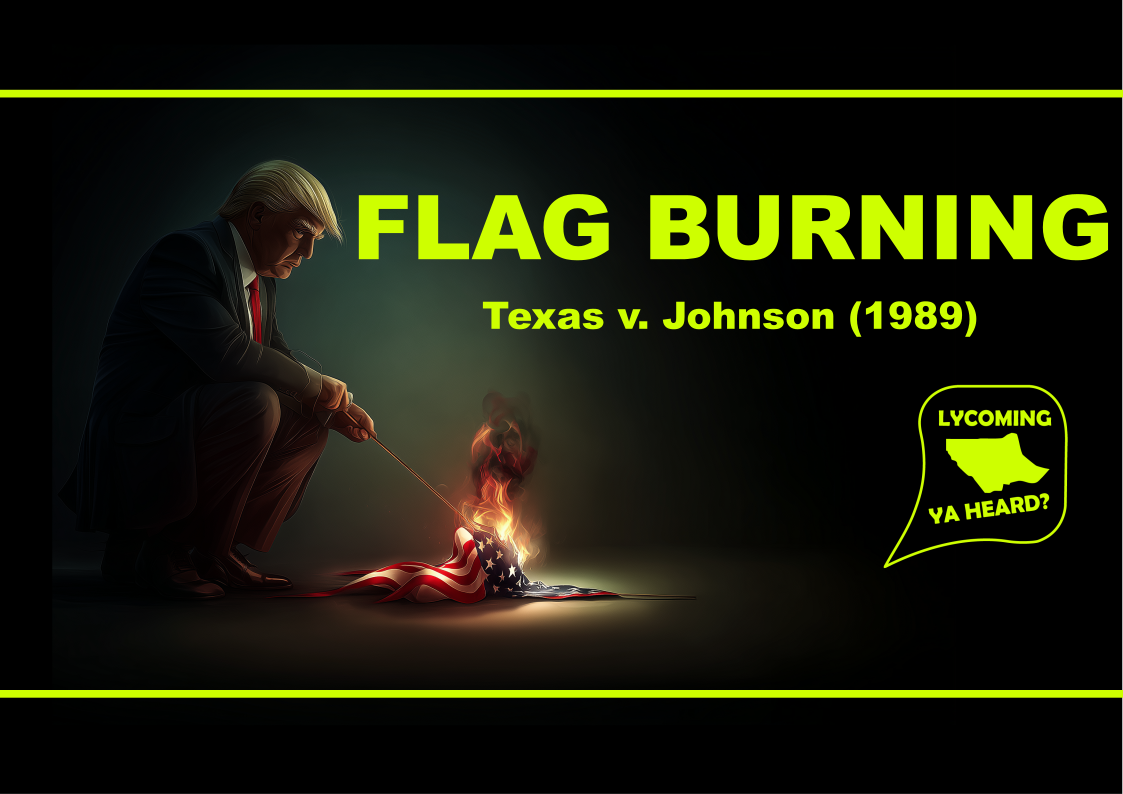
Flag burning has been a powerful act of political protest in American history, especially in the 1960s and 1970s, as protesters used it to oppose government policies and social injustices. Legally, burning the flag is protected as free speech under the First Amendment, highlighted by the 1989 Supreme Court case Texas v. Johnson. The Court ruled that flag desecration is a form of expressive conduct and bans on it are unconstitutional. Despite Congress passing laws to punish flag burning, these were struck down in the 1990 case U.S. v. Eichman, reaffirming that the act is protected speech. While flag burning is a constitutional right, acts that cause violence or disturb public safety can still have legal consequences under other laws.
President’s Executive power in action
President Trump’s executive order on flag desecration has reignited debate among conservatives about free speech and the limits of the First Amendment. Despite the 1989 Supreme Court ruling in Texas v. Johnson, which protects flag burning as symbolic speech, Trump’s order seeks to prosecute violations and redefine free speech boundaries, especially regarding incitement of violence.
The controversy highlights a divide: some conservatives see the order as an overreach that infringes on constitutional rights, while others defend it as targeting only violent or “terroristic” acts. As this debate continues, it may lead to legal challenges, and a reexamination of where free speech ends when national symbols and civil unrest collide.
Texas v. Johnson (1989)
In Texas v. Johnson (1989), the Supreme Court narrowly voted 5-4 to protect flag burning as free speech under the First Amendment. Justice Brennan led the majority, emphasizing that the government can’t ban acts of political expression just because they’re offensive. He described flag burning as “expressive conduct” that communicates dissent, reaffirming that unpopular or provocative speech deserves protection. The ruling made it clear that restricting flag burning as a form of protest violates constitutional rights, cementing a key precedent for free expression and symbolic speech in America.
Flag burning with respect
The proper and respectful way to dispose of a U.S. flag is through a ceremonial burning, often conducted in a dignified and solemn manner. This method symbolizes reverence for the flag’s significance and the ideals it represents. The tradition behind this practice is rooted in the belief that the flag, as a symbol of Liberty, justice, and patriotism, deserves honor even in its final disposition. Many organizations, such as the American Legion and Boy Scouts, hold formal flag retirement ceremonies, ensuring the flag is respectfully destroyed when it becomes tattered, faded, or no longer suitable for display. This act reflects gratitude for the sacrifices and ideals embodied by the flag, emphasizing reverence, respect, and the importance of honoring national symbols.
Big, beautiful burn?
Thinking of throwing a flag-burning party? Hold tight social warrior, safety first! Pick a big, open, well-ventilated spot like your backyard, not your neighbor’s laundry line. Use a sturdy fire pit or metal barrel to contain the flames. Check with local authorities about burn restrictions or permit requirements, no one wants the fire brigade to show up because of your patriotic enthusiasm.
Gear up with heat-resistant gloves, goggles, and long sleeves; think Elon Musk heading to the sun. Keep a fire extinguisher or a hose nearby. Avoid burning synthetic or chemically treated flags, they can release toxic fumes. Never leave the fire unattended, and make sure it’s fully out before calling it a night. Stir the ashes and douse with water. Doing it safely means you can be proud of your patriotic act of defiance and not have to apologize afterward.
Social risks
Flag burning can offend veterans, military members, and first responders, as it disrespects the sacrifices they’ve made for the country. It can evoke feelings of betrayal and cause emotional hurt. Plus, it may increase social tensions, fuel misunderstandings and divide communities, especially among those who hold the flag as a symbol of honor and service. Receiving a throat-punch, though illegal, could be the very result of triggering a U.S. Veteran by burning the flag that represents the country he or she fought for in their presents.
Conclusion
Flag burning remains a controversial issue rooted in deep feelings about patriotism, free speech, and national unity. Legally, U.S. citizens are protected to burn the flag as a form of symbolic speech under the First Amendment, affirming their right to express dissent, even if it offends some. However, such acts can evoke strong emotional reactions, especially among veterans, military members, and first responders who view the flag as a symbol of sacrifice. As “we the people,” it’s crucial to understand the legal protections in place before rushing to judgment. Balancing this right to protest with respect for those who serve is a complex challenge that highlights ongoing debates about national symbols in our diverse society.