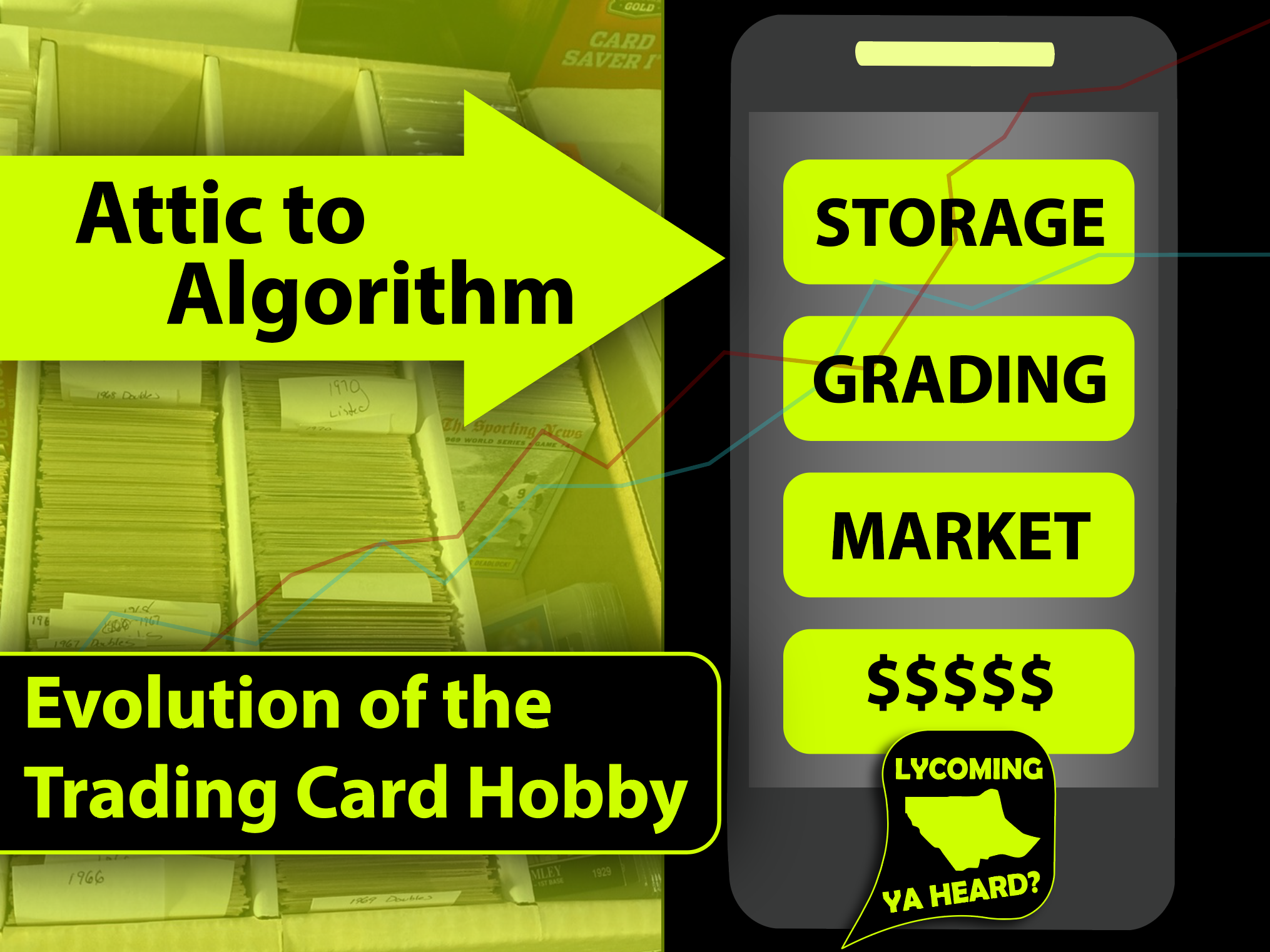
Attic to Algorithm: The Evolution of Trading Card Collecting in the Digital Age
Imagine wandering into your parents’ attic and stumbling upon a dusty, battered box bursting with crumpled trading cards, nostalgia wrapped in cardboard, each one a tiny time capsule of childhood memories. Or picture a cluttered garage where binders overflow with pages of vintage cards, treasures from a bygone era languishing in neglect and left over from the last community yard sale. For many collectors, these stacks of cardboard aren’t just relics; their priceless keepsakes, echoing stories of youth, sports glory, or pop culture milestones. But as anyone who’s tried to organize or sell these gems knows, managing these collections can quickly become a logistical nightmare: fragile condition, limited space, and the challenge of finding the right buyer.
The Old-School Puzzle of Collecting and Selling
Back in the day, the collector’s journey was straightforward, yet time-consuming and often frustrating. You’d scour local hobby shops, set up at card shows and swap meets, or network through friends and family. Selling meant lugging your collection to a show or listing cards in classified ads, hoping the right buyer would emerge. While charming in its simplicity, this approach posed risks and often left collectors missing out on real market value due to limited reach and inconsistent pricing.

The Digital Revolution: Making Collecting Smarter and Easier
Enter technology. Today, the hobby has undergone a seismic shift, transforming from a paper-and-intuition pursuit into a sophisticated, data-driven industry. The evolution has been fueled by the rise of online platforms and innovative services that streamline collecting, grading, and selling.
One game-changer is the rise of consignment marketplaces, digital hubs where collectors can upload their inventory, track card values, and connect with potential buyers worldwide. Platforms like COMC.com (Check Out My Collectibles) and others let you send your cards in, where they’re verified, authenticated, and carefully stored. This process ensures each card’s condition is officially assessed using grading services like Professional Sports Authenticator (PSA), or Beckett Grading Services (BGS), which elevate a card’s perceived and actual value. A professionally graded card commands higher prices and buyers’ trust, turning what was once a simple piece of cardboard into a coveted investment.

Harnessing Data: The New Secret Weapon for Collectors
Savvy collectors are now leveraging advanced tools that give them a strategic edge. From real-time market insights to price alerts, these analytics show which cards are hot and how values fluctuate. Manufacturers publish checklists, production totals, and limited editions, giving serial and focused collectors vital information to inform their decisions. Access to historical sales data allows them to evaluate a card’s appreciation potential, turning a hobby into a shrewd investment venture.
In this new era, a collector’s toolbox might include portfolio tracking, risk assessment, and predictive analytics, transforming collecting from a basic pastime into a dynamic, data-driven pursuit. The blend of technology and strategy doesn’t just enhance enjoyment; it maximizes potential returns.

Streamlining Sales in a Digital Marketplace
Selling your cards is now easier than ever. With consignment services, you simply create an account, prepare your cards according to specified guidelines, and ship them off. Once received, the service inspects, authenticates, and catalogs your cards, ensuring both seller and buyer confidence. These platforms often list cards on eBay, managing auctions and reducing the risk of scams, a common pitfall for independent sellers.
When your card sells, the platform handles logistics, shipping, and payment, usually deducting a small platform fee. This seamless process means collectors can turn cluttered binders into cash with less hassle and greater security.
The Hobby’s Bright Future
Today, trading card collecting isn’t just a niche pastime; it’s a booming, $13.8 billion industry in the U.S., with exciting growth prospects ahead. The days of just grabbing a pack from a local store are almost nostalgic, are replaced by an interconnected, strategic community that values authenticity, data, and global reach. And, it costs much more money to be a collector in the trading card market. Some of those cards are worth more than their weight in gold.

As the hobby continues to evolve, one thing is clear: the attic’s dusty boxes are now part of a vast digital realm where passion meets innovation, and every collector has the potential to turn their cardboard treasures into valuable assets. Welcome to the modern age of trading card collecting, smarter, safer, and more thrilling than ever before.
Ya Heard.
Additional information – Collector resources
Professional Sports Authenticator (PSA)
Beckett Grading Services (BGS)
COMC.com (Check Out My Collectibles)
PSA Vault