
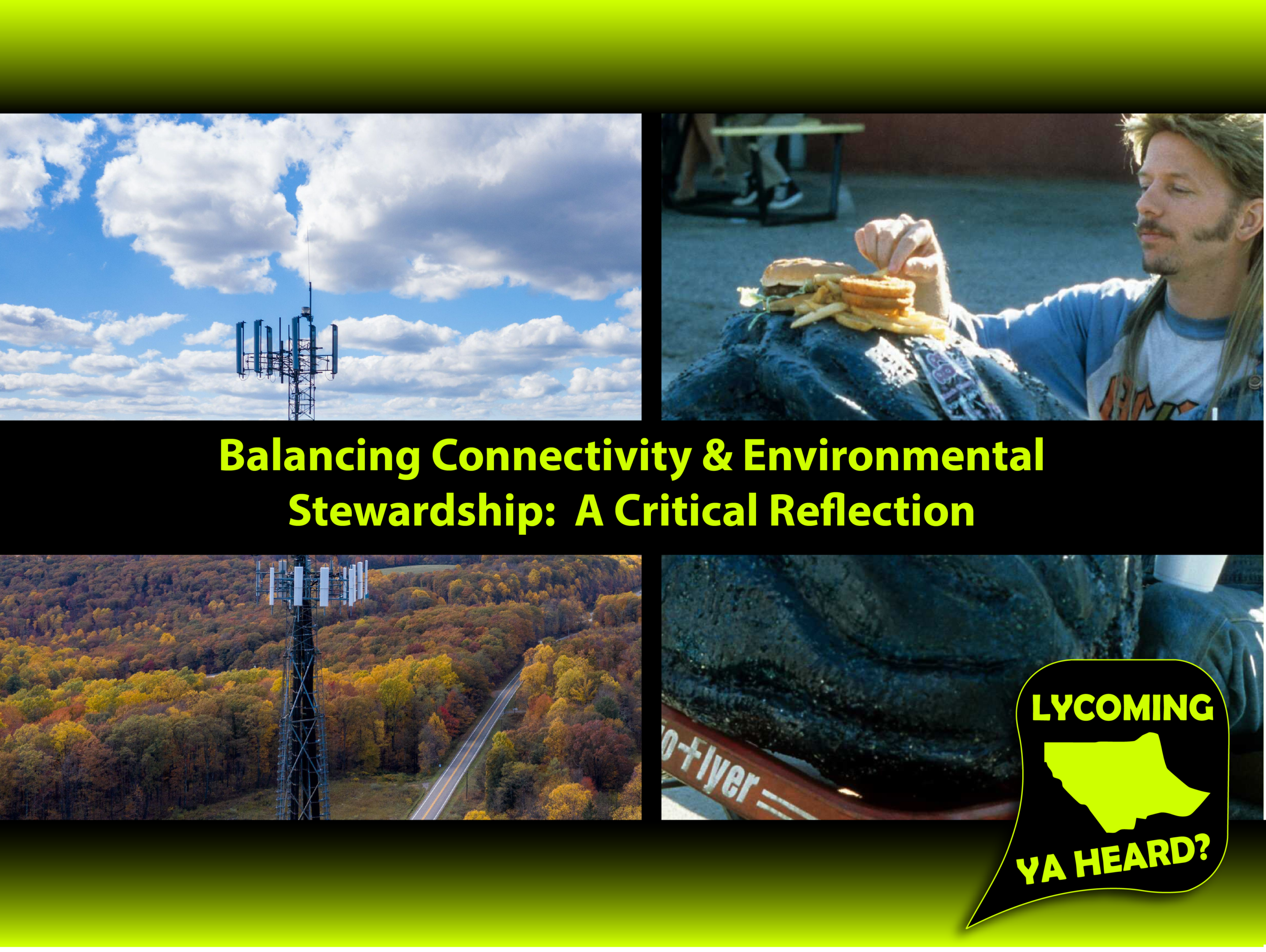
In an age where the quest for universal connectivity has become synonymous with progress, we find ourselves at a crossroads, caught between the imperative for technological advancement and the undeniable need to safeguard our environment. The sprawling mountain peaks, once pristine symbols of natural grandeur, now bear the metallic fingerprints of human ingenuity: towers rising skyward to support our insatiable demand for communication. These structures are vital arteries of our modern society, serving not only wireless carriers and broadcasters but also public safety agencies, energy utilities, agricultural firms, and remote internet providers. They are the backbone of a global network that, for many, is synonymous with safety, productivity, and opportunity.
From the consumer’s perspective, these towers embody the promise of seamless mobile communication, allowing us to stay connected, share, and access information instantaneously. Yet beneath this convenience lies a complex web of environmental implications that are increasingly impossible to ignore.
As we gaze upward, we witness another facet of our technological evolution, satellites orbiting our planet, including ambitious projects like Starlink. While these satellites represent a revolutionary step toward bridging the digital divide, delivering high-speed internet to the most remote and underserved regions, they also pose pressing environmental questions. In 2025, satellites from Starlink are deorbiting at an alarming rate, approximately one or two each day, raising concerns about their fallout into Earth’s atmosphere. The burning of aluminum-oxide particles and other pollutants during re-entry could contribute to atmospheric pollution and possibly influence climate patterns.
This juxtaposition of innovation and environmental risk highlights the need for a nuanced dialogue. Are these satellites merely a technological breakthrough, or are they harbingers of ecological degradation? The environmental community rightly demands rigorous investigation into their long-term impacts, reminding us that progress should never come at the expense of planetary health. Dismissing critics as obstacles to innovation overlooks the vital importance of sustainable development, an approach that prioritizes both human progress and ecological integrity.
The challenge we face is to forge a path that harmonizes these seemingly conflicting priorities. We must pioneer technologies that extend connectivity and empower communities, especially those in rural and marginalized areas, without sacrificing the health of our planet. Innovation like Starlink offers hope, but it must be coupled with responsible stewardship, minimizing environmental footprints, ensuring cleaner re-entry processes, and investing in sustainable alternatives.
As environmentalists, scholars, and citizens, our responsibility is to advocate for a future where connectivity enhances human lives without compounding ecological crises. The very foundation of progress depends on our ability to ask tough questions, challenge corporate and governmental practices, and champion policies rooted in sustainability.
In the end, technological evolution is a powerful tool, not an inevitability of ruin. By reconciling the drive for connectivity with our duty to protect Earth’s delicate ecosystems, we can chart a course toward a truly sustainable future. As custodians of this planet, it is our collective obligation to ensure that the infrastructure supporting our digital lives does not irreversibly compromise the natural landscapes we hold sacred. The choices we make today will determine whether we build a connected world that is truly resilient, and truly responsible.
Ya Heard.