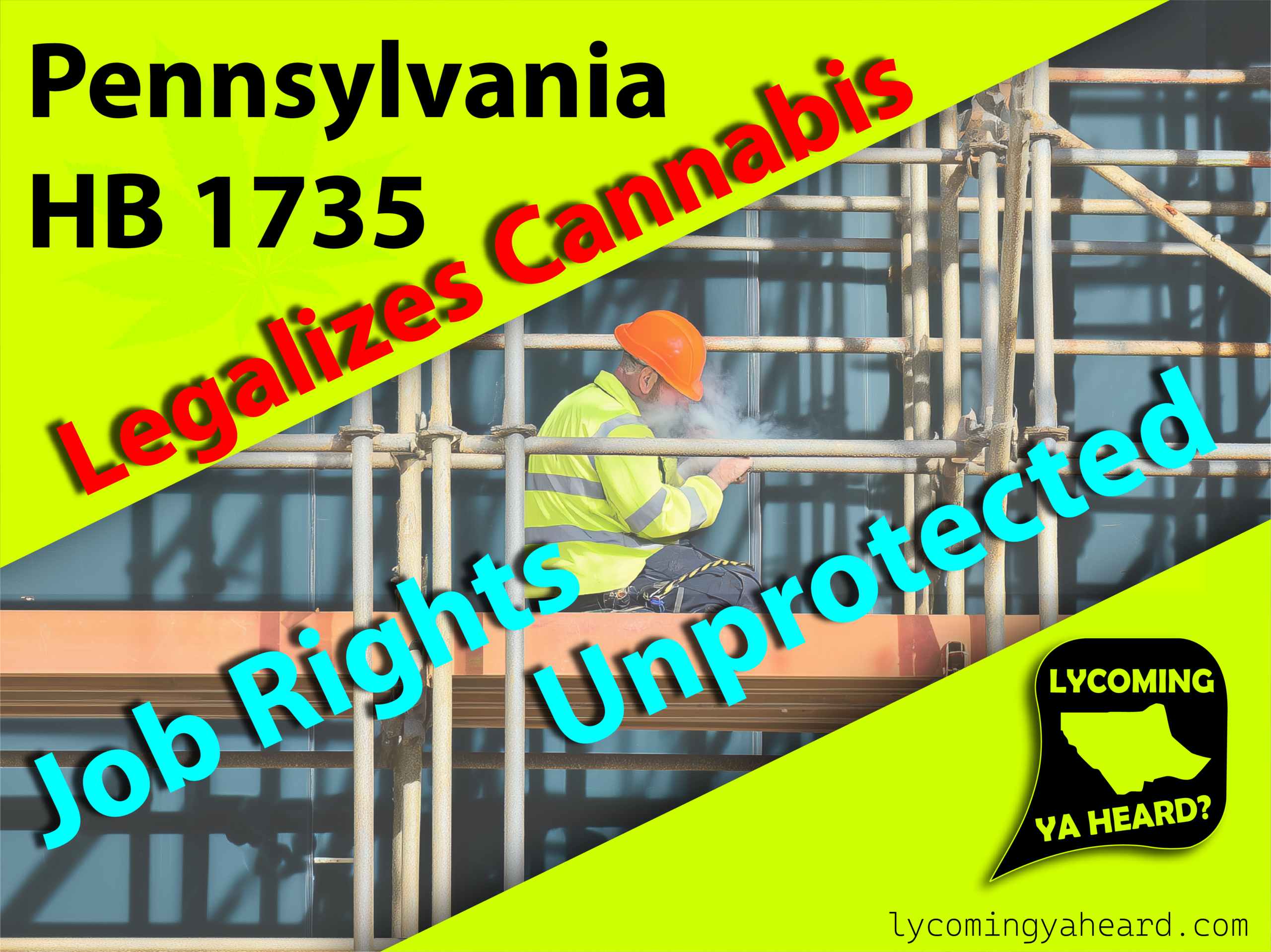
Pennsylvania’s move to legalize adult-use cannabis through HB 1735 marks a pivotal moment, yet the excitement is tempered by concerns about workplace rights. While the bill aims to broaden access and regulate cannabis, it inadequately addresses crucial protections for those who rely on cannabis both medicinally and recreationally. The risk of job loss for individuals who responsibly use cannabis for health management remains a significant issue.
Current state laws offer limited protection for medical cannabis users, failing to mandate adequate workplace accommodations. Employers can legally test for THC metabolites, which persist well beyond the point of impairment, potentially leading to unjust job terminations. This legislative gap highlights a critical oversight, risking economic instability for many.
HB 1735 strives to streamline cannabis regulation, yet it does not extend sufficient workplace protections to recreational users, leaving room for strict, employer-imposed drug policies. As a result, individuals using cannabis legally off-duty could still face adverse employment actions. Furthermore, federal safety regulations continue to complicate matters for certain job categories.
To truly advance, Pennsylvania needs comprehensive statewide protections. This includes prohibiting adverse employment actions for lawful, off-duty cannabis use, with exceptions for federally regulated roles. Additionally, legislation should require employers to provide objective evidence of impairment before taking disciplinary action, moving beyond outdated metabolite testing.
Local reforms in cities like Philadelphia and Pittsburgh offer a model for potential statewide initiatives. However, patchwork measures are insufficient. Pennsylvania requires cohesive policy changes to ensure that legalization equates to both equity and workplace security. Establishing a “safe harbor” for medical cannabis users, developing reliable impairment tests, and providing clear, accessible guidelines for employers are essential steps.
The path forward is clear. It’s time to protect the rights of both medical and recreational cannabis users with definitive employment laws. Demand objective proof of impairment for disciplinary actions, and push for equitable, transparent workplace policies.
For those whose livelihoods depend on medical cannabis, the stakes are high. Legalization should support access and liberty without compromising economic stability. As Pennsylvania considers HB 1735, ensuring that workplace security aligns with its progressive stance on cannabis is crucial. Advocate for this change by contacting your representatives today, because access to legal cannabis should not jeopardize a career.